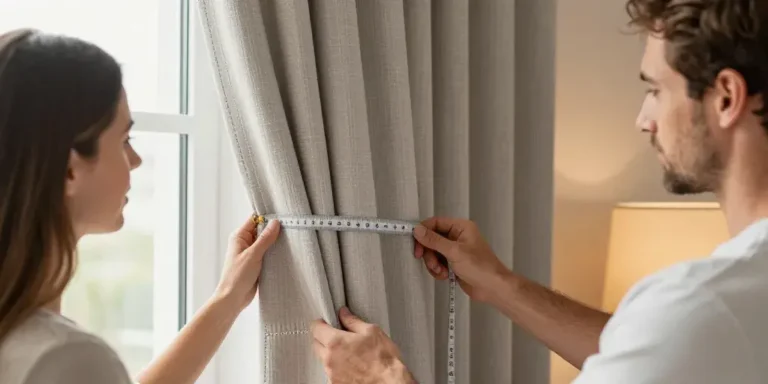
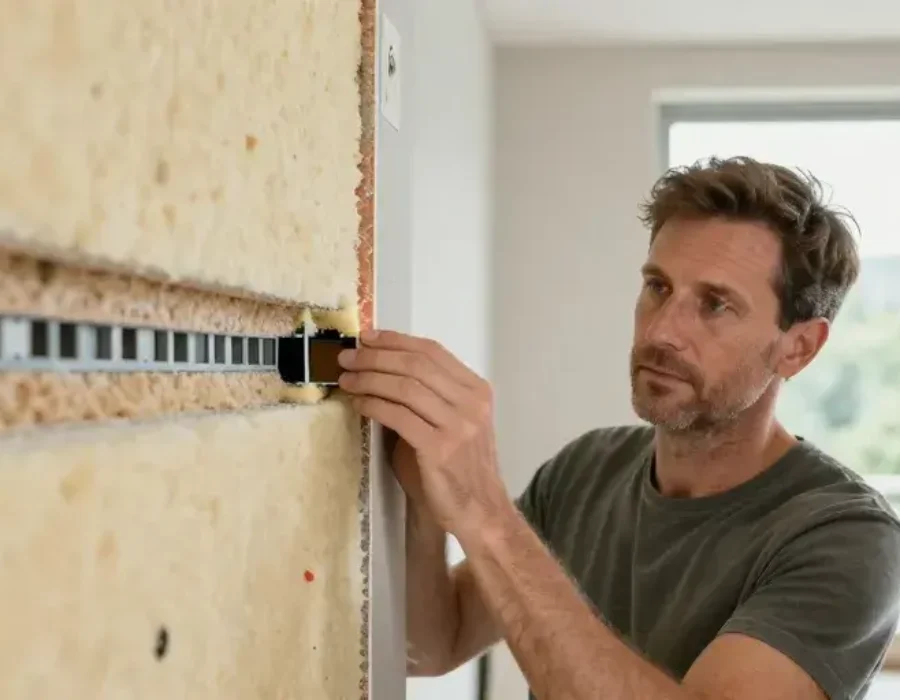
Quiet without construction
- An initial assessment helps identify the source of the issue and the expected benefits, enabling us to select the appropriate solution and tailor the choice to your budget.
- Space-saving solutions focus on curtains, glass panels, carpets, and panels to reduce noise without sacrificing floor space—quickly and without causing any inconvenience.
- Installation and inspection require waterproofing, sound bridge treatment, and post-construction measurements to verify the improvement and assess the results.
In the morning, you’re woken up by heavy footsteps coming from the floor above before your coffee is even ready. A conversation between neighbors carries through the walls like a bad radio station and eventually wears on your patience. You start wondering what solutions are worth trying without sacrificing your space or your budget. There are soundproofing solutions and techniques that really work, depending on the type of noise and the layout of your home. This article helps you identify the most effective materials and the options you can implement quickly. You’ll also learn how to choose the right curtains.

The best soundproofing material for reducing noise from neighbors, based on your needs and budget
The answer depends on the type of airborne or impact noise and the space constraints. Sometimes, a decorative solution may be preferred over deep, heavy wall lining to preserve living space. A fabric solution can be very effective, and a custom acoustic curtain remains an option that doesn’t sacrifice any floor space in many apartments. It offers the best value for money.
Comparison table of materials based on sound absorption, thickness, and cost
Not all materials serve the same purpose when it comes to sound absorption and sound blocking. A lining with a decoupled framework is more effective at preventing sound transmission, while absorbent panels help reduce interior reverberation. The loss of surface area is minimal.
| Material | Indicative attenuation (dB) | Recommended thickness | Estimated cost (€/sq. ft.) | Key benefit |
|---|---|---|---|---|
| Rock wool | 30 to 45 dB (double-layered wall) | 60–100 mm | 10–25 | Good value for money for walls and ceilings |
| Glass wool | 28 to 40 dB (double-layered wall) | 60–100 mm | 8–20 | Easy to install and cost-effective |
| Wood fiber | 25 to 35 dB | 40–80 mm | 15–35 | Environmentally friendly and provides good thermal insulation |
| Expanded cork | 20 to 30 dB | 20–50 mm | 20–50 | Natural and attractive insulation |
| Rigid acoustic panels | 15 to 30 dB depending on the installation | 20–60 mm | 20–60 | Ideal for room sound absorption |
| Multi-layer acoustic curtains (formerly Cotton Silence) | -16 to -31.4 dB, depending on the configuration | Thickness of multilayer fabric: 15–40 mm | Varies depending on the custom design | A space-saving and aesthetically pleasing solution |
The solution based on the type of nuisance and space constraints
The focus is on decoupling and mass to reduce sound transmission, or on absorption to limit internal resonance. A high-performance window or appropriate glazing offers an excellent dB-to-surface-area ratio in many urban settings. Compatibility with existing structures must be verified before any installation begins.
| Problem | A solution that doesn't sacrifice floor space | Approximate efficiency (dB) | Ideal for |
|---|---|---|---|
| Noise from outside or from neighbors | Acoustic curtains, double-pane windows, weatherstripping | 10 to 30 dB | Apartments, rooms facing the street |
| Impact noises in the floor or not | Thick carpet, resilient underlay, floating floor | 5 to 25 dB, depending on the solution | Studio apartments, apartments on upper floors |
| Noise between adjoining rooms | Wall lining with a decoupled stud frame | 20 to 45 dB | Partition walls, thin walls |
| Inner resonance and echoes | Sound-absorbing panels or heavy curtains | subjective improvement | Living rooms, home theaters |
A Practical Guide to Choosing and Installing Without Technical Mistakes
We then check for sound bridges and perimeter waterproofing before ordering materials and accessories. Carefully selecting the right insulation and drywall prevents problems during installation. Hiring a professional helps avoid costly mistakes.
A Comparison of DIY and Professional Services by Complexity
You can install heavy, fitted curtains and rugs on your own, but installing detached linings requires a qualified team. Replacing glass requires precision to ensure a tight seal and the desired soundproofing. Professional installation guarantees a tight seal.
| Presentation | DIY-friendly | Estimated cost | Expected gain (dB) | Technical risk |
|---|---|---|---|---|
| Installation of acoustic curtains | Yes | Variable | 10 to 30 dB | Weak if the wall is fully covered |
| Window Replacement | Often pro | Moderate to high | 20 to 35 dB | Waterproofing and Sealing |
| Decoupled wall lining | Not recommended | High | 20 to 45 dB | Risk of sound bridges |
| Floor insulation against impact noise | Sometimes DIY | Medium | 5 to 25 dB | Structural compatibility |
A checklist of steps and materials for a result measured in dB
Prepare your tools and installation plans by listing the suspension plates, frame, resilient strip, and joints. A final check of the sound insulation ensures a real and lasting improvement. The suspended elastic spring-mass system.
- An initial measurement of the noise level
- Material choices suited to the type of noise
- Neatly finished edges and seams
- Post-construction inspections with measurements
- Design options for integrating the solution
The service recommended by Cotton Silence for an aesthetically pleasing acoustic solution
Cotton Silence offers multi-layered acoustic curtains made in France that significantly reduce noise while complementing your interior design. The manufacturer combines a patented system with a comprehensive service package that includes a customized assessment, professional installation, and before-and-after measurements to confirm the noise reduction. The curtains are handcrafted in France, ensuring quality. Professional installation ensures a tight seal.
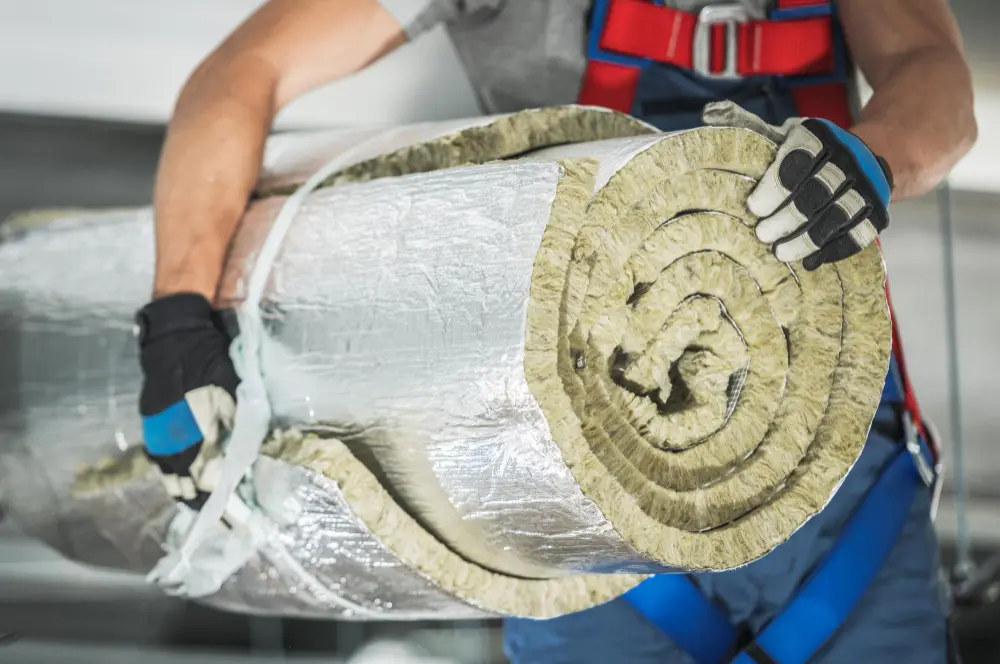
Are you looking for a solution that can be installed without major construction work, saves space, and provides immediate comfort? The choice often comes down to a trade-off between sound reduction, cost, and the scope of the work. Mineral wool or rock wool.
Learn more about noise and insulation
What is the best soundproofing material?
At home, the question often comes up: what’s the best soundproofing material? In my experience, rock wool or glass wool work well for airborne noise, while dense foams or heavy panels help with low frequencies. Soundproofing also involves the installation process: a metal frame, drywall sheathing, a flexible insulation mat between the layers, and above all, zero acoustic bridges. You tinker, you adjust, and you hear the difference. And then, sometimes, a thick rug is all it takes to keep the living room quiet in the countryside.
What is the difference between soundproofing and acoustic insulation?
When doing DIY projects, one common point of confusion stands out: what’s the difference between soundproofing and acoustic insulation? Broadly speaking, soundproofing prevents outside noise from entering and echoing inside, while acoustic insulation aims to contain sounds produced inside so they don’t spread. In practice, the choice of materials changes; mass and decoupling matter, as does a well-designed framework. For example, a partition lined with insulation reduces noise from the neighbor, but a heavy door that dampens sound protects against street noise. Simple, effective, and often very satisfying—it’s worth a try.
What kind of insulation should I use to block out the noise from my neighbors?
After several nights interrupted by noise from the apartment next door, the insulation project began. What kind of insulation would block out the neighbors? On-site, the solution being tested involves creating a metal stud frame running from wall to wall, decoupled from the ceiling, with drywall panels screwed onto the frame. In between, a flexible insulation mat absorbs vibrations. The key is ensuring the joints are airtight, using high-density insulation, and eliminating sound bridges. No need to turn the apartment into a bunker, but proper soundproofing makes all the difference. The result: a quiet evening drink and a good night’s sleep, without breaking the bank—tried and tested.
Is soundproofing effective?
The first time the workshop insulated the ceiling, the difference was striking. Is soundproofing effective? Yes, if it’s well-planned. It reduces noise transmission, dampens low-frequency sounds, and creates real comfort in everyday life. The key areas to focus on are the ceiling, walls, floors, and door and window frames. Sometimes, simply replacing a window or adding a layer of flexible insulation between ceiling panels is enough. What matters most is the installation, the joints, and the density of the materials. The bottom line is that people are often surprised by the peace and quiet they regain—a small victory guaranteed after just a few hours of work; the house breathes again.