
Noise pollution from road traffic is a major challenge for professionals in the real estate, hospitality, and service sectors. Whether it’s an office building on a busy boulevard or a hotel near a highway, noise directly impacts employee productivity, customer satisfaction, and the perceived value of these spaces. This guide presents the most effective design solutions for significantly reducing perceived noise levels and enhancing the long-term value of professional spaces.
- A massive screen: this solution transforms the soundscape on the terrace by blocking out the harsh noise from the road.
- Proper sealing: Replacing old gaskets and using high-performance asymmetrical glazing eliminates air leaks.
- Professional soundproof curtains: this multi-layered solution effectively protects spaces without requiring major renovations.
A car tire on the pavement generates more noise than the engine itself at speeds above 30 km/h. This constant noise pollution strains the nervous system and impairs occupants’ ability to work effectively. You need to take action on two fronts: block the sound before it reaches the ground and seal off the air passages in the building. An effective barrier depends on the mass and airtightness of the materials chosen.
Outdoor features to block noise from spreading to your property
Sound waves travel like invisible waves that bounce off the hard surfaces of your building’s facade. You need to create a solid barrier to deflect this energy away from your windows. The height of the structure remains the key factor in creating a true acoustic shadow zone around your building.
Installing wooden or composite sound barriers to protect outdoor spaces
Solid wood panels offer an immediate solution for protecting outdoor living spaces. These structures reflect noise back toward the road or absorb it if they feature a special porous surface. Some models can reduce noise by up to 25 decibels when installed in close proximity to the road, making them ideal for restaurant patios, hotel lounges, and outdoor reception areas at businesses.
| Barrier type | Material used | Noise reduction | Technical strength |
|---|---|---|---|
| Sound barrier | Solid wood | 15 to 25 dB | Quick installation without masonry work |
| Noise barrier | Solid concrete | 20 to 30 dB | Total internal reflection |
| Earthen embankment | Compacted soil | 10 to 20 dB | Low-frequency absorption |
| Mixed hedge | Laurel and Earth | 5 to 8 dB | Green image, filters high frequencies |
The creation of dense plant barriers to attenuate high-frequency sounds
Vegetation alone cannot replace a solid wall, but it radically alters the perception of ambient noise and enhances a building’s appearance. The leaves break up high-frequency sound waves and eliminate unpleasant echoes off building facades. Combining a thuja hedge with a sloped earthen embankment yields superior results and improves the living environment for occupants.
Interior insulation techniques to block out urban noise
The weak points in the building envelope of a commercial building are concentrated around the openings. The primary goal is to address airtightness: where air flows, sound seeps through. An integratedsound insulation strategy must therefore address windows and doors, joints, and fabric reinforcement solutions simultaneously.
Replacing old windows with high-performance soundproof windows
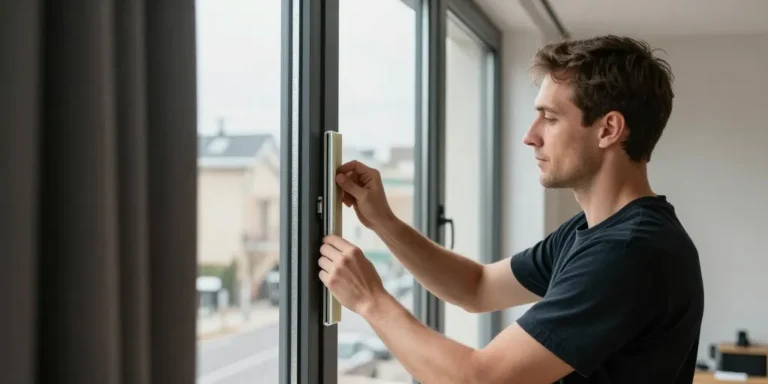
Asymmetrical double glazing, or soundproof glazing, is the most impactful investment for a commercial building exposed to road traffic. This system uses glass panes of varying thicknesses to block a wide range of frequencies. Replacing the weatherstripping complements this approach and prevents the whistling sounds characteristic of aging windows and doors.
The use of specialized acoustic curtains to enhance acoustic comfort in professional spaces
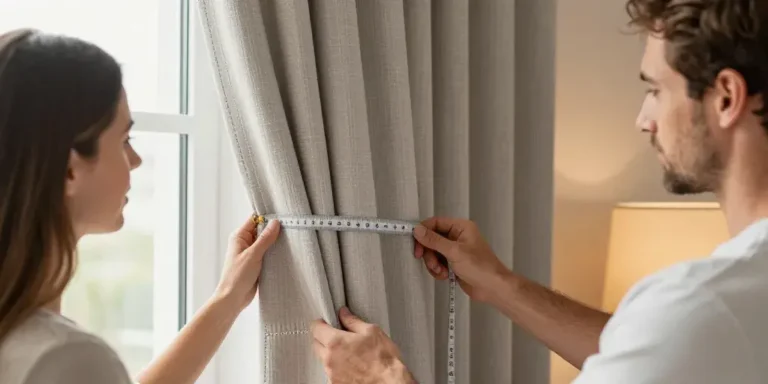
A custom-made acoustic curtain provides an effective fabric barrier to enhance window and door frames without requiring structural work. These multi-layered solutions act as an absorbent buffer that reduces the resonance of sound waves against glass. Affordable and aesthetically pleasing, they immediately improve the acoustics of meeting rooms, hotel rooms, open-plan offices, and restaurants.
| Glazing Configuration | Lens thickness | Sound reduction index Rw | Recommended use |
|---|---|---|---|
| Standard single-pane glass | 4 mm | 25 dB | Very quiet area only |
| Standard double-pane glass | 4–16–4 mm | 29 dB | Thermal insulation is a priority |
| Soundproof double-pane windows | 10 x 10 x 4 mm | 35 dB | City street or busy boulevard |
| Triple-pane acoustic glass | 4-12-4-12-4 mm | 38 dB | Immediate proximity to an expressway or train station |
Cotton Silence Pro: Helping You Transform Your Workspaces
Cotton Silence Pro has established itself as the leading French expert for professionals facing noise pollution issues in their facilities. Thanks to a patented multi-layer system, the brand’s acoustic curtains offer noise reduction of up to 31.4 decibels. Handcrafted in France, these products combine technical performance with aesthetic appeal, available in over 70 colors to match the visual identities of businesses and hotels.
The team supports project owners, interior designers, and property managers from design through installation. Here is the support process:
- 1/ Assessment: Analysis of noise sources and window and door configurations to determine the appropriate solution.
- 2/ Customization: Choose dimensions, colors, and mounting hardware for a seamless, aesthetic integration.
- 3/ Installation: Installed on technical rails by qualified technicians, ensuring maximum soundproofing.
cottonsilencepro.nprod.fr/: the acoustic partner for professionals in the real estate and hospitality industries
cottonsilencepro.nprod.fr/ is a platform dedicated to professionals seeking custom, reliable soundproofing solutions that meet industry standards. The brand is specifically designed for hoteliers, real estate developers, architects, business center managers, and operators of public-access facilities. Each project is handled on a case-by-case basis: feasibility study, selection of certified materials (M1/B1 fire rating), manufacturing in a French workshop, and installation by experienced technicians. cottonsilencepro.nprod.fr/ guarantees measurable acoustic performance and post-installation follow-up to ensure long-term satisfaction.
Frequently Asked Questions for Professionals
How can you reduce traffic noise in a hotel or office building?
The most effective strategy combines an external barrier (such as an acoustic screen or soundproof double-glazing) with professional acoustic curtains indoors. This two-pronged approach ensures that the acoustic comfort levels required by standards for workspaces and public-facing establishments are met.
How can traffic noise be reduced for a commercial building without shutting down the construction site?
Installing custom soundproof curtains is the preferred solution for a quick fix that requires no structural work. The Cotton Silence Pro teams work outside of business hours to avoid disrupting operations. Replacing window and door seals is also a simple and highly cost-effective measure to include in your annual maintenance plan.
What acoustic solution would you recommend for a restaurant or meeting room facing a busy road?
Custom-made multi-layer acoustic curtains are the ideal solution for these spaces: they are quick to install, comply with fire safety standards, and improve both interior acoustics and insulation from outside noise. When combined with a dense hedge or an exterior screen, they provide a comprehensive, professional solution.
How can you reduce street noise in an office building without major construction work?
Sealing door and window gaps, combined with the installation of professional soundproof curtains, is the fastest and most cost-effective solution. These measures can be implemented on a room-by-room basis without interrupting operations. Cotton Silence Pro offers a preliminary acoustic audit to identify priority areas and maximize return on investment.