Maintaining a stable temperature in your home is nothing revolutionary. You know this all too well, especially as winter sets in and the days grow shorter. You often find yourself looking for a compromise— something that balances comfort with style. The evenings grow longer, the cold creeps in, and if there’s one humble item we tend to overlook, it’s the curtain. It softens the room, but it does much more: it protects your spaces and preserves your peace of mind, even in 2025. Every situation has its own demands, as you can easily see. You feel the urgency to create a barrier, you anticipate heat loss, and you refuse to tolerate visual discomfort. Thus, you move forward like a tamer of the cold, and yet you remain attached to this strange idea: the useful must dialogue with the beautiful; otherwise, why insist on transforming an interior into an impersonal shelter, when human warmth begins with the atmosphere?
Choosing the right thermal curtain for every situation
Curtains, those everyday companions, offer you much more than just a soft rustle against the window. One morning, you realize that innovative textiles—when developed through advanced research—bring you closer to a solution that is both technical and sensory. The discovery remains surprising: aluminized polyester, for example, insulates you from the cold by reflecting a significant portion of the radiation. You feel the difference, especially in exposed areas. Acrylic fabric, for its part, envelops you in durability, ideal for those neglected corners of a room. Fleece adds a reassuring touch, while treated cotton solves the issue of moisture. Finally, for unusual layouts, you’ll discover the usefulness of custom thermal curtains: you gain adaptability, which is particularly relevant when partitions present unexpected challenges.
Factors to consider based on the room and the opening
An entryway definitely calls for heavy-duty curtains, while a workspace, on the other hand, benefits from diffused light. You might choose a denser curtain for the living room and a lighter fabric for the dining room; the choice is based on need, not trends. In short, a thick lining blocks thermal bridges, while a lined sheer softens the light in neglected offices. Energy efficiency remains a guiding principle, but it never overshadows the pleasure of contemplation.
A comparison of available mounting systems
Once you’ve chosen the right type of curtains, you’ll also need to consider how to hang them. There are many ways to hang curtains, each with its own pros and cons. The challenge will be to balance aesthetics with practical considerations.
| Mounting type | Benefits | Disadvantages |
|---|---|---|
| Classic curtain rod | High stability, versatile design | Requires drilling; time-consuming installation |
| Rail | Smooth, adjustable glide | Requires drilling into the mounting brackets; less discreet on small openings |
| Drill-free curtain rod | Quick installation, ideal for rental properties | Less stable; less suitable for heavy curtains |
| Velcro strip | Versatility, ease of removal | Sometimes breaks down with heavy use; questionable aesthetics |
Decorating tips for combining comfort and style
Let the curtain brush the floor, and you’ll immediately feel that cocoon-like warmth. Opt for deep hues when you’re seeking the coziness of a boudoir, and adjust them according to the time of day and the light. Then play with two layers to enrich the room. Sometimes it’s the details that transform everything: the light shimmers differently, and the atmosphere shifts. You take pleasure in orchestrating these transformations, even if it means changing your mind along the way.
Cotton Silence Pro: When the curtain becomes a true thermal solution
In this quest for a balance between comfort and aesthetics, Cotton Silence Pro offers a practical solution, without making exaggerated claims. The brand focuses on curtains designed first and foremost as effective thermal barriers, intended to minimize heat loss while maintaining a understated and refined visual presence. Here, the fabric is not merely a covering; it acts as a filter between the interior and the elements outside.
The solutions offered by Cotton Silence Pro are designed for those seeking a measurable improvement in thermal comfort without undertaking major renovations. Whether it’s windows facing the elements, poorly insulated doors, or rooms that are hard to heat, curtains provide a practical solution that complements existing insulation. The choice of materials, fabric density, and finishes reflect this commitment to balancing performance, durability, and seamless integration into the living space. Comfort is found in the details—discreet yet decisive—especially as winter settles in for the long haul.
Preparing the installation for optimal thermal insulation
Hanging a curtain quickly brings you back to basics. There’s one basic rule you can’t escape: without a sturdy rod, nothing stays up. You’ll face the dread of the drill, the joy of a level line, and sometimes the disappointment of a botched hole. Still, diligence pays off in the long run.
The essential tools for a flawless installation
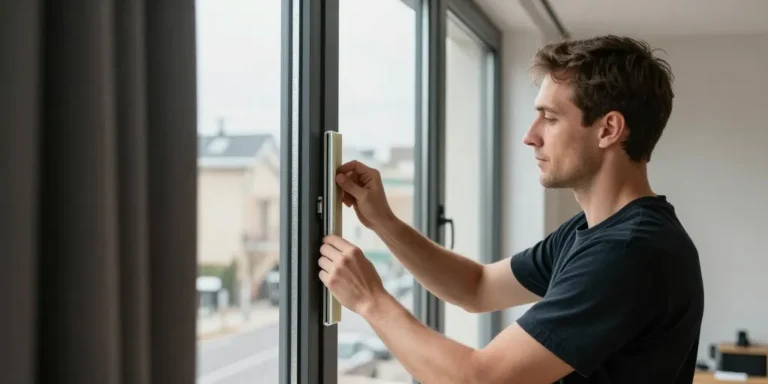
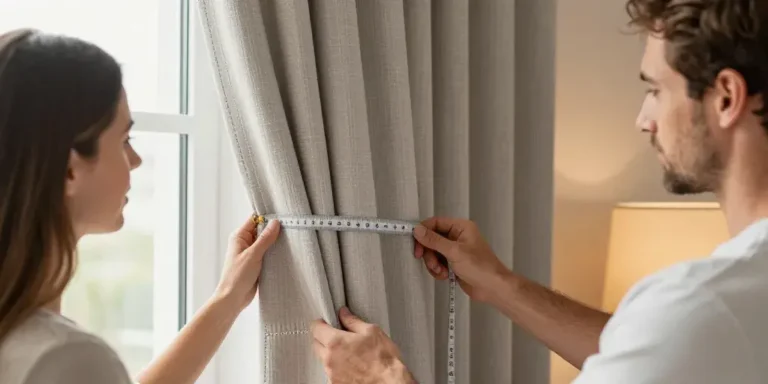
Reliable tools are key—something you sometimes learn the hard way. If the wall is crumbling, you might opt for adhesive or high-tack Velcro. This choice is never set in stone, so you sometimes end up going back to the original solution. What matters most is durability and peace of mind every morning. You know that even an extra centimeter can throw everything off. Taking the exact measurement saves you from a miserable winter; you prefer to err on the side of caution with the overlap. Measuring means anticipating the unexpected.
Tips for preparing surfaces and anticipating challenges
First and foremost, test the wall’s strength—even if it means losing a screwdriver in the process. Moisture always hides where you least expect it. If the structure proves to be weaker than expected, opt for a reinforced fastener. In fact, a flat mounting plate simplifies the entire process and makes a world of difference.

The essential steps for installing a thermal insulation curtain
You plan each step based on what’s needed, never by chance. Mark your spots, drill straight through, and tighten the screws firmly—nothing should wobble. If space is an issue, consider a no-drill rod; this solution often ends up being the best choice.
Installing the rod or hanging system
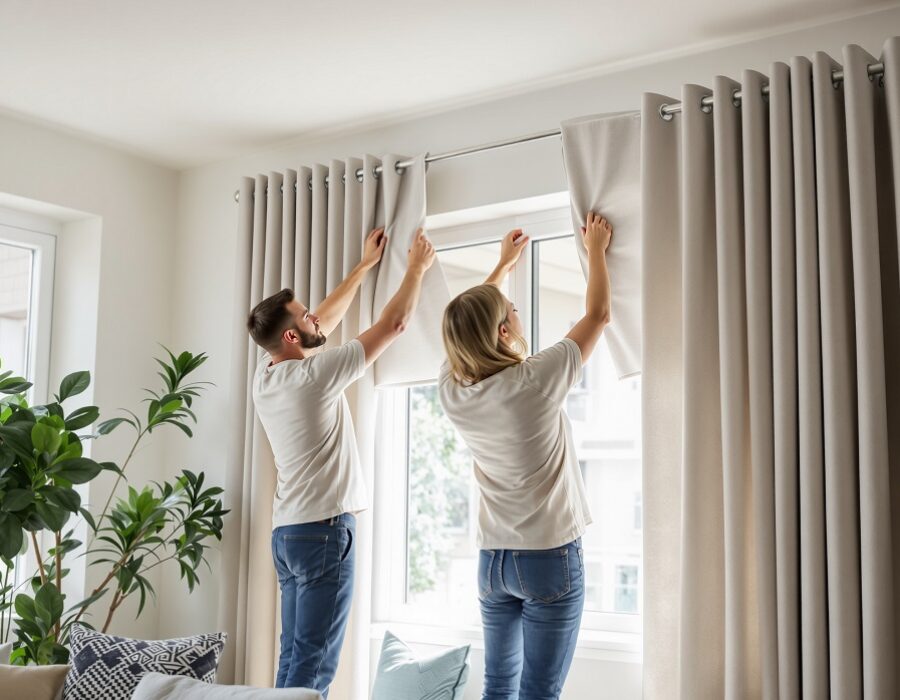
You ensure sturdiness and alignment—no cutting corners. The right anchor makes all the difference in the project’s stability; it’s crystal clear. For a heavy curtain, don’t improvise the mounting. Experience teaches, and patience pays off. You insist on perfect alignment—and rightfully so. The width must cover every gap; otherwise, watch out for drafts. Check the drape, adjust if necessary—the details make all the difference. A poorly hung curtain is an unexpected setback.
Tips for Improving the Effectiveness of Thermal Insulation
There should be no gap between the floor and the curtain, otherwise air will seep through. Tuck the curtain in every night—a small gesture with a big impact. Repositioning the curtain rod optimizes the thermal barrier. A curtain that’s left hanging loose is almost the opposite of the desired effect.
Summary table of common errors and solutions
| Common mistake | Consequence | Quick solution |
|---|---|---|
| Loose curtain rod | Sagging, ineffectiveness | Reinforce with appropriate anchors |
| The curtain is too short | Heat loss through the floor | Choose a custom length |
| Incorrect orientation of the thermal side | Less insulation | Reassess the direction in light of the season |
Cleaning and maintenance to maintain thermal efficiency
If you keep neglecting to wash it, the fabric will take its toll. Washing at a moderate temperature with a mild detergent helps maintain its performance—this is no small matter. Regular vacuuming preserves its integrity, but be sure to limit exposure to sunlight while drying. With careful maintenance, your curtain will live up to its promise.
Expert tips for renovations or problems
Reinforcing the curtain rod or replacing a bracket is sometimes all it takes to get you through the winter. Lining the bottom of the curtain may shock purists, but it works. An extra layer of insulation makes a difference you can feel right away. If you have any doubts before the cold season sets in, do a thorough check.
Changing the atmosphere in your home often starts with a small detail—hanging a curtain that goes unnoticed but is essential—and the energy you gain translates into years ofquiet comfort.